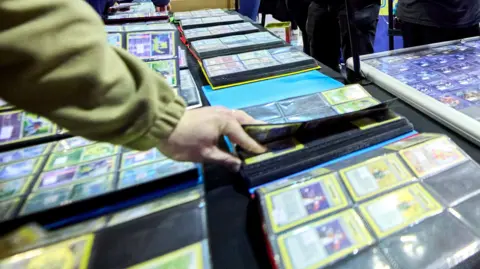
The growing search interest in “sports card memorabilia show” reflects a strong and expanding global collectibles industry. These events have become structured marketplaces where collectors, dealers, and hobby enthusiasts gather to trade sports cards, autographed items, and sports memorabilia in a highly interactive environment. Statistical trends show consistent growth in both attendance and participation, making these shows a key part of the modern hobby economy.
From an industry perspective, sports card memorabilia shows operate as organized trading hubs. These events typically feature vendor booths showcasing a wide range of items, including vintage sports cards, modern rookie cards, graded collectibles, autographed jerseys, signed equipment, and game-used memorabilia. Larger shows often attract hundreds of vendors and thousands of attendees, highlighting their significance within the collectibles market.
A frequently asked question is what happens at a sports card memorabilia show. In general, these events allow collectors to buy, sell, and trade items directly with vendors and other collectors. The environment is highly interactive, with attendees moving between booths, evaluating items, and negotiating deals in real time. This structure creates a transparent and engaging marketplace experience.
Another commonly asked question is why these shows remain popular despite the growth of online marketplaces. Market behavior data suggests that in-person evaluation plays a critical role. Collectors value the ability to physically inspect items such as autograph authenticity, card condition, and memorabilia quality before making a purchase. This hands-on verification reduces uncertainty and increases trust in transactions.
A key statistical trend in recent years is the increasing diversity of attendees at sports card memorabilia shows. These events now attract not only long-time collectors but also younger audiences, families, and casual sports fans. This broader participation has helped expand the collector base and strengthen the overall hobby ecosystem.
Another frequently raised question is what types of items are most commonly found at these shows. Sports cards remain the foundation, but memorabilia has become an increasingly important segment. Autographed jerseys, signed baseballs, framed photographs, and game-used equipment are highly sought after. These items often carry historical significance, which enhances their value and appeal among collectors.
From a pricing perspective, sports card memorabilia shows operate as flexible, negotiation-based marketplaces. Unlike fixed online pricing, values are often determined through direct discussions between buyers and sellers. Factors such as rarity, condition, authentication, and player significance play a major role in final pricing outcomes.
Accessibility is another important factor contributing to the growth of these events. Most sports card memorabilia shows are held in convention centers, hotels, community halls, or sports venues. Entry fees are generally affordable, making these events accessible to a wide range of participants. This accessibility helps maintain strong attendance and encourages repeat engagement.
Another frequently asked question is what the overall experience is like at these shows. Most events feature organized vendor layouts, dedicated trading areas, and opportunities for direct interaction with dealers. Larger shows may also include live autograph sessions, authentication services, and grading submissions, enhancing the overall value for attendees.
Networking is a significant benefit of attending sports card memorabilia shows. Collectors often build long-term relationships with vendors and fellow hobbyists, which can lead to better trading opportunities and access to rare items. These relationships also help participants stay informed about market trends and upcoming releases.
From an economic perspective, the consistent growth of sports card memorabilia shows indicates a stable and expanding collectibles market. The combination of physical interaction, emotional value, and historical significance ensures continued demand across multiple collector segments. Regional and national events further strengthen the industry by connecting broader collector communities.
In conclusion, the sports card memorabilia show ecosystem represents a dynamic and evolving segment of the collectibles industry. These events provide structured environments for trading, authenticating, and collecting valuable sports-related items. With rising attendance, diversified collectibles, and strong community engagement, sports card memorabilia shows continue to play a central role in shaping the modern sports collectibles landscape.